
If you have ever seen a T-shirt, mug, tumbler, or sign with bright, detailed graphics that seem to be part of the material itself, there is a good chance sublimation printing was used.
Sublimation printing is a popular digital printing method for producing colorful and durable designs on polyester fabrics and specially coated products. Unlike some printing methods that place ink on the surface, sublimation ink becomes part of the material, which helps create smooth, long-lasting prints.
In this guide, we will explain what sublimation printing is, how it works, what materials you can use, and its main advantages and limitations.
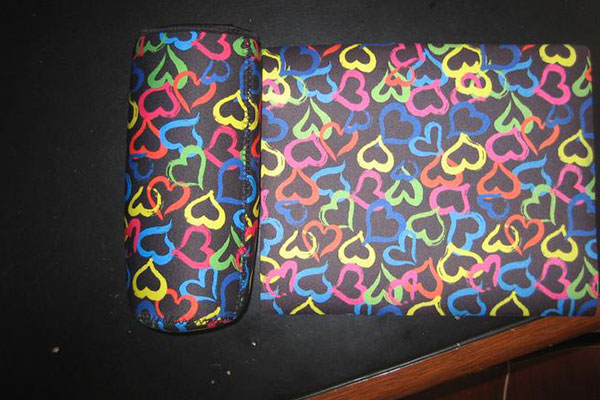
What is Sublimation Printing?
Sublimation printing is a heat-transfer printing process that uses special sublimation ink to transfer a printed design onto polyester fabric or a polymer-coated surface.
The design is first printed onto sublimation transfer paper. A heat press is then used to apply high temperature and pressure.
During heating, the sublimation ink changes from a solid state directly into a gas without becoming liquid. The gas penetrates the polyester fibers or coating. Once the material cools, the ink becomes trapped inside it.
As a result, the design does not simply sit on top of the product. It becomes part of the printed surface.
How Does Sublimation Printing Work?
The sublimation printing process usually involves four basic steps.
1. Create the Design
First, create your artwork using graphic design software. The design can include photographs, logos, patterns, text, or other graphics.
Because sublimation is a digital printing process, it is especially suitable for detailed and full-color designs.
2. Print the Design
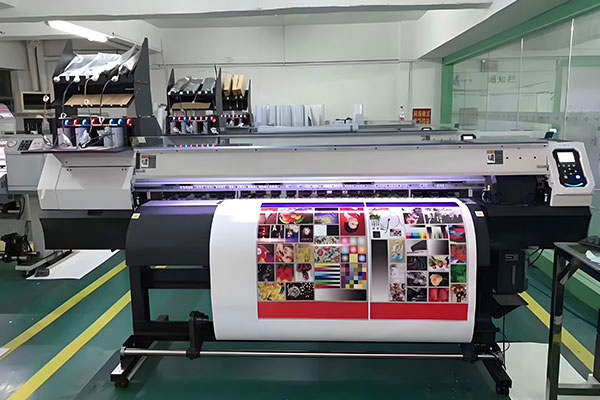
The design is printed onto sublimation transfer paper using a sublimation printer and special sublimation ink.
The image normally needs to be mirrored before printing because it will be transferred face-down onto the product.
3. Transfer With a Heat Press
Place the printed transfer paper onto the product and use a heat press to apply the required temperature, pressure, and time.
Depending on the material, sublimation temperatures are commonly around 180–210°C (356–410°F).
The exact settings will vary depending on the blank product, ink, paper, and heat press being used.
4. Remove the Transfer Paper
After pressing, remove the transfer paper and allow the product to cool.
The finished design should appear bright, smooth, and permanently bonded with the polyester fibers or coating.
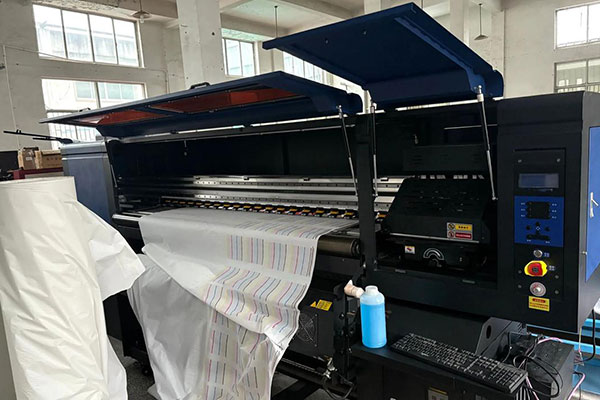
What Equipment Do You Need for Sublimation Printing?
A basic sublimation printing setup includes:
- Sublimation printer
- Sublimation ink
- Sublimation transfer paper
- Heat press machine
- Computer and design software
- Sublimation-compatible blanks
The type of heat press depends on the products you plan to make.
For example, a flat heat press is commonly used for T-shirts and fabric, while mug presses or tumbler presses are designed for cylindrical products.
What Materials Can Be Used for Sublimation Printing?
Sublimation works best on materials containing a high percentage of polyester.
Common sublimation materials include:
- Polyester T-shirts
- Sportswear
- Jerseys
- Polyester fabric
- Flags
- Banners
- Mouse pads
- Ceramic mugs with sublimation coating
- Tumblers
- Aluminum photo panels
- Keychains
- Phone cases
- Signs
- Promotional products
Products made from ceramic, metal, glass, or other hard materials usually require a special polymer sublimation coating.
Can You Sublimate on Cotton?
Standard sublimation printing does not work well directly on 100% cotton.
Sublimation ink needs polyester or a polymer coating to bond properly. On cotton, the ink may transfer initially but can appear faded and wash out quickly.
For better results, you can use polyester or polyester-blend garments.
Generally, the higher the polyester percentage, the brighter the final design will look.
For example:
- 100% polyester: Brightest and most vibrant
- 65% polyester: Good color with a slightly vintage effect
- 50% polyester: More faded appearance
- 100% cotton: Not suitable for traditional sublimation
Special coatings or transfer products can make sublimation-style printing possible on cotton, but the process is different from direct polyester sublimation.
Can Sublimation Print on Dark Shirts?
Traditional sublimation printing works best on white or light-colored materials.
Sublimation ink is transparent and does not include white ink. Therefore, the color of the fabric remains visible through the printed design.
For example, printing a yellow image onto a blue polyester shirt will not produce the same colors shown on your computer screen.
This is why white and light-colored polyester garments are the most common choice for sublimation printing.
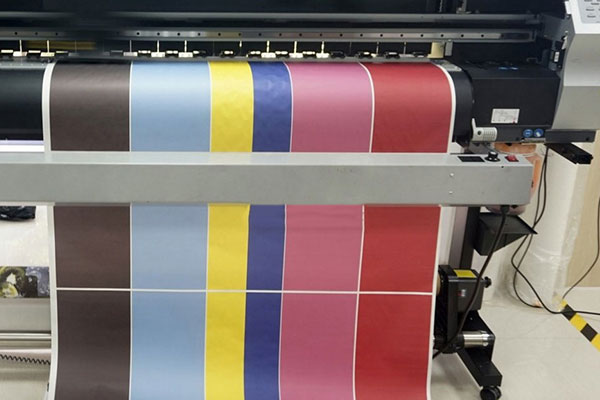
Advantages of Sublimation Printing
Sublimation printing has become popular for customized apparel and merchandise because it offers several important benefits.
1. Vibrant Colors
Sublimation can reproduce detailed graphics, photographs, gradients, and a wide range of colors.
This makes it suitable for products requiring attractive full-color designs.
2. Durable Prints
Because the ink becomes part of the polyester material, the print is highly resistant to cracking, peeling, and flaking.
With proper washing and care, sublimation prints can remain clear for a long time.
3. No Heavy Print Feel
There is usually no noticeable layer sitting on top of sublimated fabric.
The printed area remains soft and breathable, making sublimation especially useful for sportswear and performance clothing.
4. Suitable for Small Orders
Sublimation does not normally require screens or printing plates.
You can produce one customized product or a small batch without complicated setup procedures.
5. Great for Personalized Products
Each print can contain a different name, number, photograph, or design.
This makes sublimation suitable for personalized gifts, sports jerseys, promotional products, and custom merchandise.
Disadvantages of Sublimation Printing
Sublimation is useful, but it is not suitable for every printing job.
One major limitation is the material requirement. Traditional sublimation works primarily with polyester or polymer-coated products.
Another limitation is garment color. Since sublimation printers generally do not print white ink, dark fabrics are difficult to use.
You also need specialized equipment, including sublimation ink, transfer paper, and a suitable heat press.
Understanding these limitations can help you decide whether sublimation is the right printing method for your products.
Sublimation Printing vs. Heat Transfer Vinyl
Although both methods use heat presses, they work differently.
With heat transfer vinyl (HTV), a layer of vinyl is cut and pressed onto the surface of the garment.
With sublimation printing, the ink penetrates the polyester fibers.
As a result, sublimation generally feels smoother because there is no vinyl layer on top of the fabric.
HTV, however, can be used on a wider range of fabrics and garment colors.
Sublimation Printing vs. DTF Printing
DTF printing transfers a printed film onto fabric using adhesive powder and heat.
Unlike sublimation, DTF can normally be used on cotton, polyester, blended fabrics, and both light and dark garments.
Sublimation is more limited in terms of materials, but it provides a very soft print because the ink becomes part of the fabric.
Therefore, sublimation is often preferred for polyester sportswear and all-over printing, while DTF is more flexible for general custom apparel production.
Sublimation Printing vs. Screen Printing
Screen printing pushes ink through stencils onto a product. It is often cost-effective for large quantities of simple designs.
Sublimation is usually the stronger choice for detailed, full-color artwork and personalized products. Screen printing is often more practical for bulk orders with the same artwork.
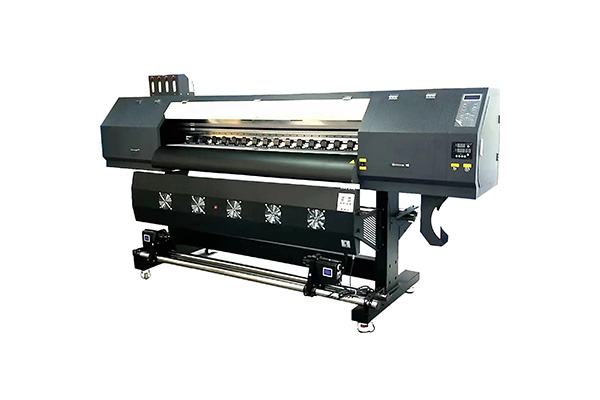
What is Sublimation Printing Used For?
Sublimation printing is widely used in both small custom printing businesses and larger production environments.
Typical applications include:
- Custom T-shirts
- Sports uniforms
- Team jerseys
- Personalized mugs
- Photo gifts
- Tumblers
- Promotional merchandise
- Fabric displays
- Flags and banners
- Home decoration
- Branded products
Its ability to produce detailed, colorful designs makes it especially useful for customized and personalized products.
Is Sublimation Printing Good for Small Businesses?
Yes. Sublimation printing can be a practical option for small printing businesses, especially those producing personalized products.
Entry-level equipment can handle products such as shirts, mugs, and small accessories. As demand increases, businesses can upgrade to larger printers and heat presses.
However, before investing in equipment, consider what products you want to sell. If your business mainly prints cotton or dark-colored clothing, another method such as DTF printing may offer greater flexibility.
How Much Does It Cost to Start Sublimation Printing?
The startup cost depends on the type of products you want to produce and the scale of your business.
A small home setup may include a desktop printer, a flat heat press, ink, paper, tape, and a few blank products. A larger operation may add specialty presses for mugs, tumblers, hats, and larger apparel.
Before buying equipment, consider:
- What products you plan to sell
- Your expected order volume
- Available workspace
- Product size requirements
- The cost of replacement ink and consumables
- Whether you need commercial production speed
Starting with one profitable product category—such as mugs, polyester shirts, or photo panels—can help keep initial costs manageable.
Tips for Better Sublimation Results
Successful sublimation printing requires more than simply pressing a design. Small production details can make a big difference.
- Use high-resolution artwork for sharp prints.
- Mirror designs before printing, especially text-based designs.
- Use the correct heat, pressure, and pressing time for the specific blank.
- Secure transfer paper with heat-resistant tape to prevent shifting.
- Place protective paper inside or around products when needed.
- Pre-press fabric to remove moisture and wrinkles.
- Allow items to cool appropriately before handling.
- Test new blanks before fulfilling customer orders.
- Keep notes on successful temperature, pressure, and time settings.
Frequently Asked Questions
High-quality sublimation prints are very durable because the ink bonds with the polyester material. However, prolonged UV exposure, improper washing, or low-quality materials can gradually affect the colors.
On suitable polyester or polymer-coated materials, sublimation printing is considered permanent. The design should not normally crack or peel like a surface-applied transfer.
Yes. Consistent temperature, pressure, and heating time are important for proper sublimation transfer, so a heat press is generally recommended.
White provides the most accurate and vibrant colors. Light-colored polyester shirts can also be used, although the fabric color may influence the finished design.
For the brightest results, 100% polyester is generally preferred. Polyester blends can also work, but the colors become less vibrant as the polyester percentage decreases.
Sublimation is a type of heat transfer process, but it works differently from standard iron-on transfers. Instead of applying a printed layer to the item, sublimation uses heat to dye compatible materials.
Final Thoughts
Sublimation printing is a simple way to produce bright, detailed, and durable designs on polyester fabrics and coated products. Its main strengths are vibrant color reproduction, a smooth print feel, and excellent durability. If you mainly work with light-colored polyester apparel, mugs, tumblers, or personalized products, sublimation printing can be an efficient choice for both small and large production needs.