
A3 DTF printers have become a popular choice for small clothing businesses, custom T-shirt shops, and beginners entering the garment printing industry. Compared with larger commercial DTF systems, they take up less space, require a lower initial investment, and can still handle many common apparel printing jobs.
In this guide, we explain what an A3 DTF printer is, how it works, its advantages, and what to consider before buying one.
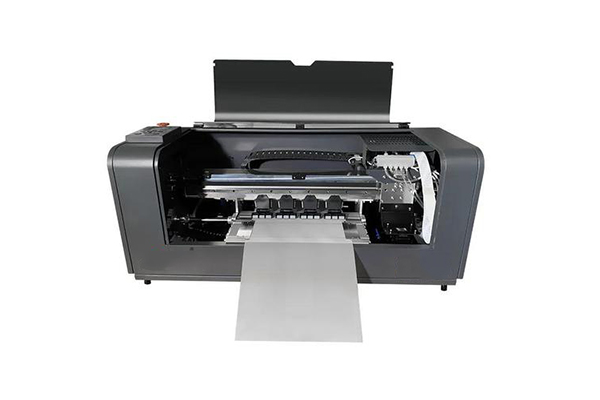
What is an A3 DTF Printer?
An A3 DTF printer is a compact direct-to-film printing machine used to print full-color designs onto PET transfer film. The design is then coated with hot melt powder, cured, and transferred onto fabric using a heat press.
The term “A3” refers to the printer’s approximate printing size. Standard A3 paper measures 297 × 420 mm (11.7 × 16.5 inches), while many roll-fed A3 DTF printers support a printing width of around 30 cm (12 inches).
Most A3 DTF printers use CMYK and white ink, allowing them to produce bright and detailed designs on both light and dark fabrics. They can be used for T-shirts, hoodies, tote bags, sportswear, and other customized textile products.
Because of their compact size, moderate cost, and flexible printing capability, A3 DTF printers are especially suitable for small businesses, startup print shops, and beginners.
How Does an A3 DTF Printer Work?
An A3 DTF printer uses a special printing process to transfer designs onto fabric.
The basic workflow includes several steps.
1. Create the Design
First, the artwork is prepared using graphic design or RIP software. The software controls both the CMYK color layer and the white ink layer.
2. Print on DTF Film
The design is printed directly onto special PET transfer film using DTF pigment ink.
Most A3 DTF printers use:
- Cyan ink
- Magenta ink
- Yellow ink
- Black ink
- White ink
The white ink creates an opaque base layer, allowing colorful designs to appear clearly on dark garments.
3. Apply Hot Melt Powder
After printing, DTF hot melt adhesive powder is applied to the wet ink. The powder sticks to the printed areas of the design.
4. Cure the Transfer
The printed film is heated using a curing oven, powder shaker, or heat press. This melts the adhesive powder and creates a transferable printed layer.
5. Heat Press the Design
Finally, the transfer film is placed onto the garment and pressed using a heat press. After pressing, the PET film is peeled away according to the film manufacturer’s recommended peeling method. The printed design remains attached to the fabric.
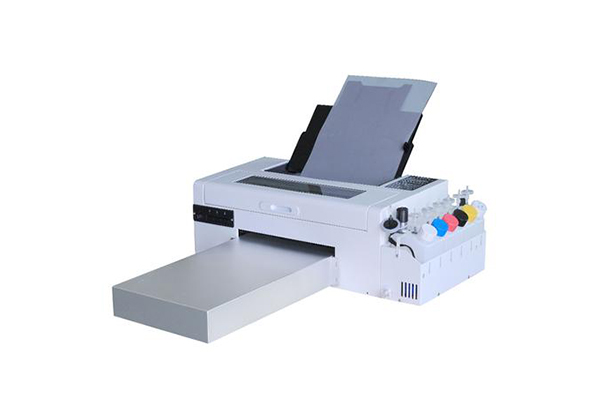
What Can an A3 DTF Printer Print?
One major advantage of DTF printing is its compatibility with many different materials.
An A3 DTF printer can commonly print transfers for:
- Cotton T-shirts
- Polyester shirts
- Cotton-polyester blends
- Hoodies
- Sweatshirts
- Canvas bags
- Tote bags
- Workwear
- Sportswear
- Children’s clothing
Unlike sublimation printing, DTF printing is not limited to white polyester fabric.
It can be used on both light and dark garments, making it suitable for a much wider range of custom clothing applications.
A3 DTF Printer vs A4 DTF Printer
A3 and A4 DTF printers are both designed for relatively small-scale production, but they differ mainly in printing size and productivity.
| Feature | A4 DTF Printer | A3 DTF Printer |
|---|---|---|
| Printing Width | Around 21 cm | Around 30 cm |
| Machine Size | Very Compact | Compact |
| Production Capacity | Lower | Higher |
| Design Size | Smaller | Larger |
| Best For | Hobby or very small orders | Small businesses |
| Investment | Lower | Moderate |
For users planning to sell customized clothing regularly, an A3 DTF printer usually provides better production flexibility than an A4 printer.
A3 DTF Printer vs 60cm DTF Printer
A 60cm DTF printer is generally designed for higher-volume commercial production.
Compared with an A3 machine, it offers:
- Wider printing area
- Faster production
- Higher daily output
- Better efficiency for bulk orders
However, it also requires more space and a higher initial investment.
An A3 DTF printer is often more appropriate for businesses that are still developing their order volume.
A 60cm printer is better suited to established printing shops producing larger quantities of transfers every day.
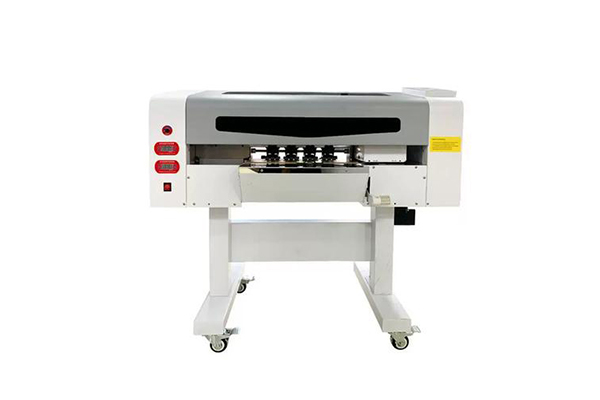
Advantages of an A3 DTF Printer
Compact Size
A3 DTF printers require relatively little workspace and can fit into small workshops, retail stores, or home-based studios.
Lower Startup Cost
Compared with larger commercial DTF printing systems, A3 machines generally require a smaller initial investment.
This makes them attractive to new printing businesses.
Supports Many Fabrics
DTF printing works with cotton, polyester, blended fabrics, and many other textiles.
Businesses therefore do not need separate printing technologies for every garment material.
Suitable for Small Orders
A3 printers are ideal for customized orders, short production runs, samples, and personalized products.
There is no need to prepare screens or printing plates.
Full-Color Printing
DTF technology can reproduce gradients, photographs, logos, illustrations, and complex multicolor artwork.
White ink also allows printing on dark garments.
Limitations of A3 DTF Printers
Despite their flexibility, A3 DTF printers also have some limitations.
The main limitation is production capacity.
A 30cm printing width is sufficient for many T-shirt designs, but businesses handling hundreds of large transfers every day may find the machine too slow.
White ink maintenance is another important consideration.
DTF white ink contains pigment particles that can settle over time. A good printer should therefore include a white ink circulation or stirring system to help reduce clogging.
Regular nozzle checks, cleaning, and maintenance are still necessary.
Is an A3 DTF Printer Good for Beginners?
Yes. An A3 DTF printer can be a practical choice for beginners who want to start a small custom apparel business.
It provides a good balance between:
- Machine size
- Printing capacity
- Investment cost
- Design flexibility
Compared with very small desktop printers, an A3 machine also gives businesses more room to grow.
However, beginners should remember that DTF printing is not completely maintenance-free. Learning how to manage white ink, printheads, curing temperature, powder application, and heat pressing is important for achieving consistent results.
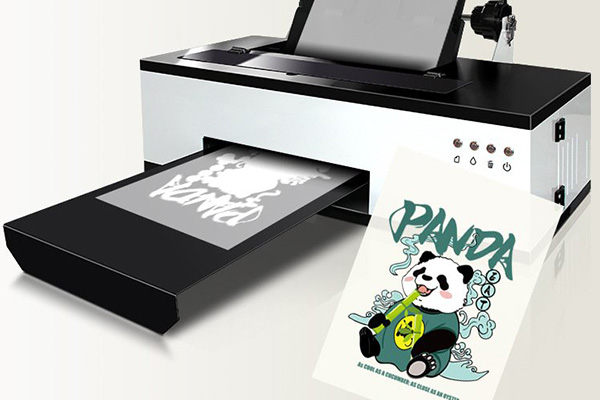
How to Choose an A3 DTF Printer
If you are new to DTF printing, choose a printer that is easy to use and maintain.
Look for:
- Easy operation: A simple setup is better for beginners.
- White ink circulation: This helps reduce ink settling and clogging.
- Good print quality: Make sure the printer can produce clear and colorful designs.
- Suitable printing speed: For a small business, stable printing is often more important than very high speed.
- Reliable support: Choose a supplier that provides instructions, training, spare parts, and technical support.
For beginners, a good A3 DTF printer should be simple, stable, and easy to maintain.
Who Should Buy an A3 DTF Printer?
An A3 DTF printer is especially suitable for:
- Small custom T-shirt businesses
- Startup printing shops
- Etsy or online clothing sellers
- Personalized gift businesses
- Print-on-demand businesses
- Home-based printing studios
- Businesses producing samples or small batches
For businesses with moderate order volumes, an A3 model can provide enough production capacity without requiring the investment and workspace of a larger industrial DTF system.
People Also Ask
An A3 DTF printer usually costs around $1,500 to $4,000, depending on the printhead, ink system, software, and technical support. Complete setups with a heat press, curing oven, or powder shaker may cost $3,500 to $6,000 or more.
Yes. Many A3 DTF printers are compact enough for home-based businesses. However, you should have enough space for the printer, heat press, film, powder, and curing equipment, as well as good ventilation.
Not always. For small orders, hot melt powder can be applied manually. A powder shaker becomes more useful when production volume increases and you want a faster, more consistent workflow.
Yes. A3 DTF printers can print photos, detailed graphics, gradients, logos, and full-color artwork, provided the image quality and printer settings are suitable.
Many A3 DTF printers use Epson-based printheads, but the exact model varies by printer. When choosing a machine, it is important to consider print speed, print quality, replacement cost, and spare-part availability.
Conclusion
An A3 DTF printer is a compact and flexible printing solution for beginners and small businesses. With a printing width of around 30 cm, it can produce full-color transfers for T-shirts, hoodies, bags, sportswear, and many other textile products.
If you are just starting a custom printing business, choosing an A3 DTF printer that is easy to operate, stable, and supported by reliable technical service can make it easier to learn DTF printing and grow your production over time.