
In the printing industry, new technologies are constantly emerging to meet the growing demand for high-quality, versatile, and cost-effective solutions. One of the most talked-about methods today is DTF printing. But what exactly does DTF mean in printing, and why is it gaining so much popularity? Let’s break it down.
What Does DTF Stand For?
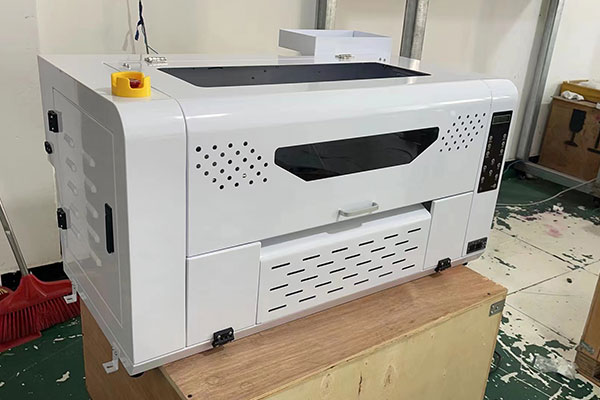
DTF stands for Direct-to-Film printing. Unlike traditional methods like screen printing or DTG (Direct-to-Garment), DTF printing involves printing a design onto a special film, then transferring it onto fabric using heat and pressure.
This process makes it easier to create vibrant, durable, and highly detailed designs on a wide range of materials—not just cotton.
How Does DTF Printing Work?
The DTF printing process generally includes the following steps:
- Design Preparation – A digital design is created using software like Photoshop, Illustrator, or CorelDRAW.
- Printing on Film – The design is printed onto a PET film using a DTF printer with special textile inks.
- Applying Adhesive Powder – A hot-melt adhesive powder is applied to the printed design to help it bond with fabric.
- Heat Transfer – Using a heat press, the design is transferred from the film to the garment.
- Peeling the Film – After pressing, the film is peeled off, leaving the design perfectly embedded on the fabric.
Benefits of DTF Printing
Why are so many businesses and creators switching to DTF? Here are the main advantages:
- Versatility: Works on cotton, polyester, blends, leather, and more.
- Durability: Designs are resistant to washing and fading.
- High Quality: Produces sharp, detailed, and vibrant prints.
- No Pre-Treatment Required: Unlike DTG, you don’t need to pre-treat fabrics.
- Low Minimums: Ideal for both small batches and large-scale production.
DTF vs. Other Printing Methods
Here’s how DTF compares with other popular methods:
- DTF vs. DTG – DTG works best on cotton, while DTF can print on a wider range of materials.
- DTF vs. Screen Printing – Screen printing is great for bulk orders, but DTF is faster and more cost-effective for small runs.
- DTF vs. Heat Transfer Vinyl (HTV) – DTF offers greater detail and a softer feel compared to vinyl transfers.
Common Applications of DTF Printing
DTF printing is widely used in the apparel and promotional products industries. Some common applications include:
- Custom t-shirts, hoodies, and sweatshirts
- Sports uniforms and jerseys
- Tote bags and hats
- Promotional merchandise
- Small business branding
Final Thoughts
So, what does DTF mean in printing? Simply put, it’s Direct-to-Film, a modern printing technology that’s revolutionizing custom apparel and promotional products. With its versatility, durability, and professional-quality results, DTF is quickly becoming a go-to solution for businesses, designers, and hobbyists alike.
If you’re looking for a reliable, flexible, and cost-effective printing method, DTF printing is worth considering.